There are many conflicts around the world that involve violations of international law (e.g. the civil war in Syria). However, unlike in the national systems, there is no centralized world enforcer. Therefore, a question arises whether in the current state of affairs international law can be enforced. This chapter uses key theories of international relations (IR) to explain the problem of enforcement in the context of international law. In particular, the chapter focuses on three international institutions that play a role in the maintenance of global order: United Nations Security…
ΠερισσότεραΗμέρα: 13 Απριλίου 2024
What Happened to the Idea of World Government
Thomas G. Weiss International Studies Quarterly, Volume 53, Issue 2, June 2009, Pages 253–271, https://doi.org/10.1111/j.1468-2478.2009.00533.x Published: 03 June 2009 Abstract What happened to the idea of world government, so central in the United States to public debate of the 1930s and 1940s, and why has it been replaced by “global governance”? This article reviews the reasons behind that evolution—the need to incorporate interdependence and nonstate actors into analytical frameworks along with a lack of imagination from analysts—as well as the pluses and minuses of both concepts. When states still could solve…
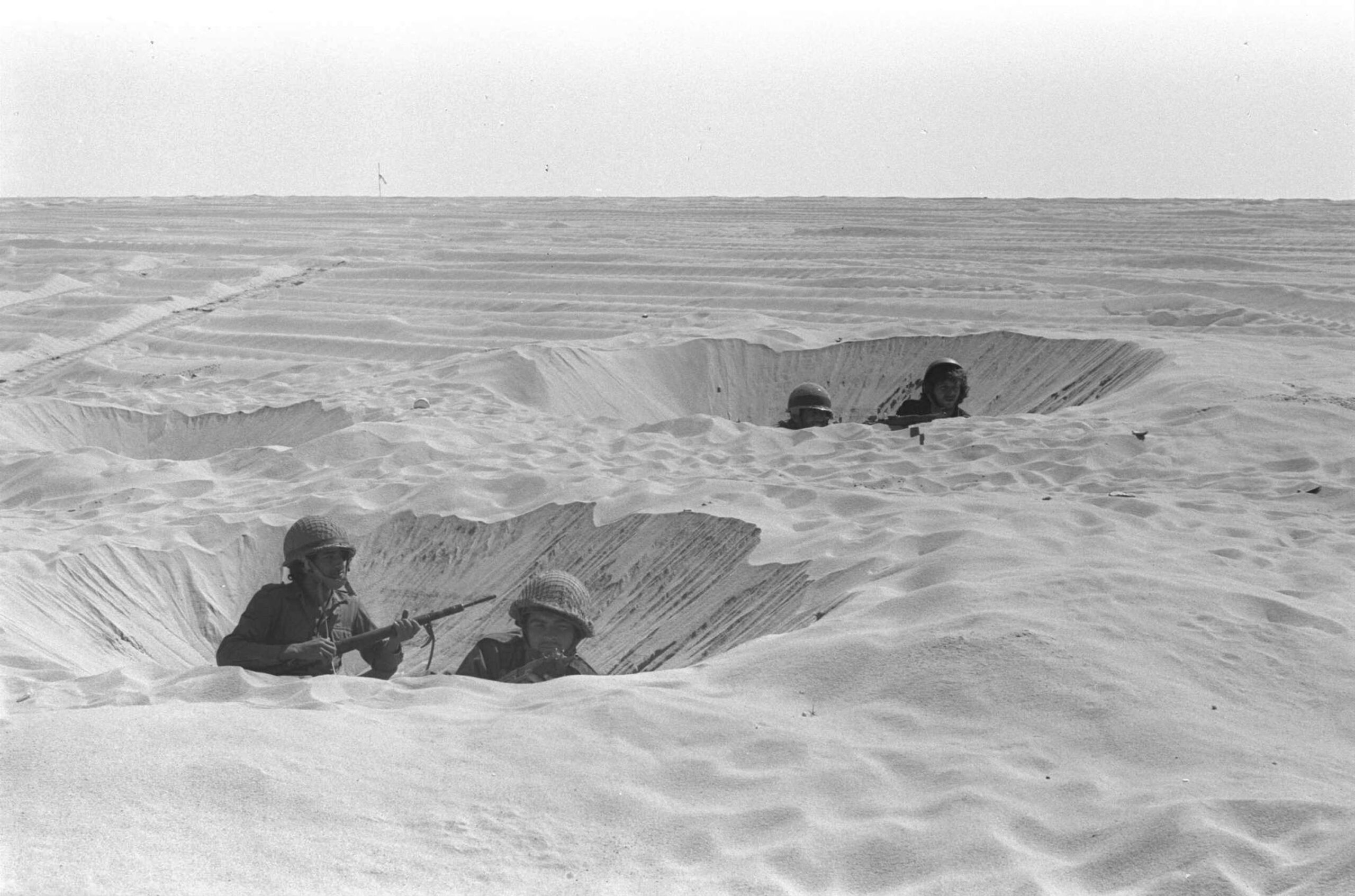
ΠερισσότεραThe Hidden Calculation Behind the Yom Kippur War
It’s long been the greatest question about the war: why Israel waited to be attacked. But what if it was convinced to wait by its closest ally, the United States? History records Israel’s triumph in 1967 as the Six-Day War, but the key operations that clinched the victory took closer to six hours than six days. Shortly after 7:45 in the morning on June 5, Israeli jets attacked Egyptian airfields in synchronized waves: the first wave destroyed aircraft on the tarmac before pilots scrambled into cockpits; the second shredded runways…
Περισσότερα