Key wordingªª
The global monetary reset and the incoming gold-based system.
1. By Glory Moralidad
Published 12/22/25 AT 1:59 PM EST
Core takeawayª
The surge comes as Beijing accelerates efforts to reduce dependence on the US dollar while Moscow scrambles to fund its war economy through unprecedented gold sales.
With prices hovering near $4,400 per ounce, the intensifying China-Russia gold trade is reshaping global commodity markets and raising fresh concerns about economic stability.
Reasons Behind The Surge
China aims to augment its financial reserves by buying vast quantities of gold, thereby reducing its vulnerability to fluctuations in the dollar’s value. Simultaneously, Russia has begun selling its physical gold reserves to fund government expenditure, a shift in how its resources are managed in response to sanctions and economic pressure.
The Central Bank of Russia has already started selling physical gold, and this is not a typical practise in previous years. Such sales are reported to divert revenue to finance Russia’s budget, especially at a time when the sanctioned country has to cope with dwindling oil revenues.
Meanwhile, Russian precious metals exports to China have doubled from the previous year, indicating that trade relations are tightening.
Core takeawayªª
Key wording
The global monetary reset and the incoming gold-based system.
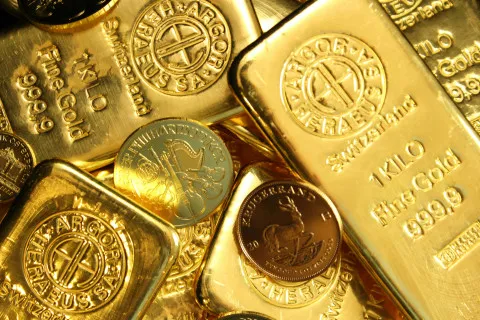
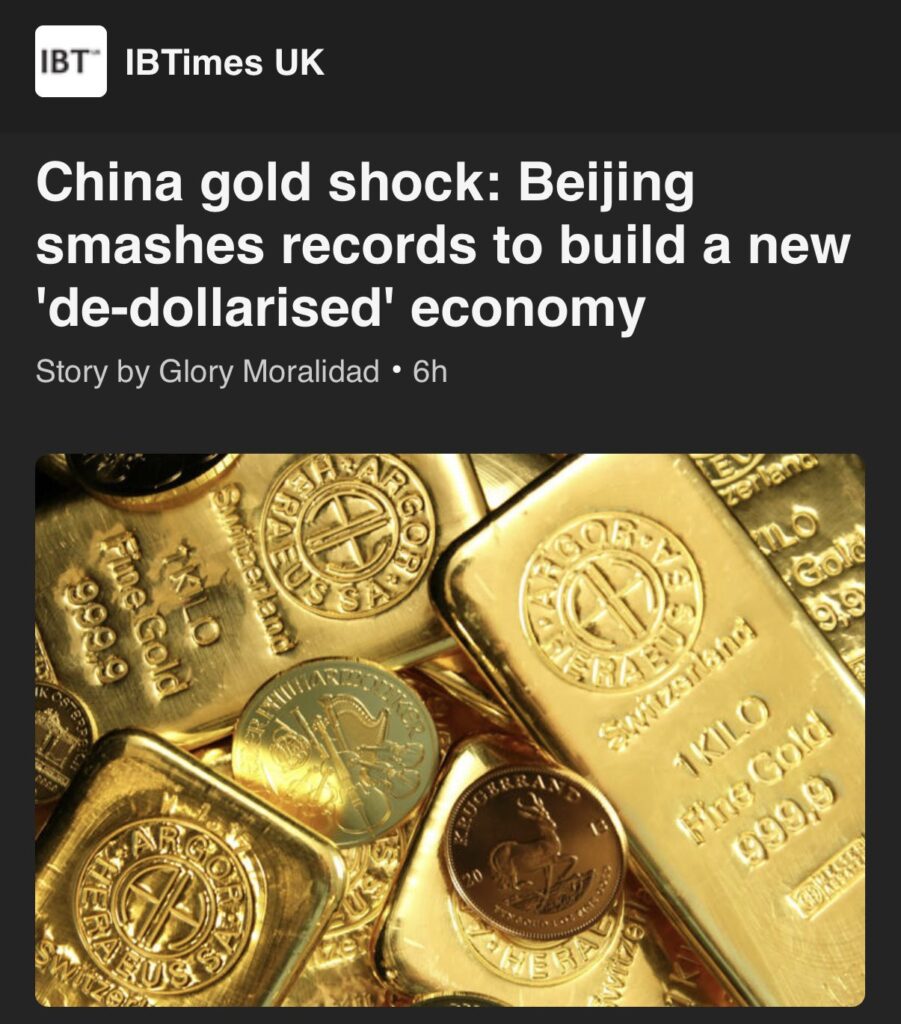
China buys almost $1 BILLION in gold from Russia in November alone.
Adding to a stockpile that I believe is far larger than reported, closer to 5,000 TONS.
But it’s not just how much they’re buying.
They’re building the infrastructure (the Shanghai Gold Exchange), creating the demand (Belt & Road Initiative), and establishing the settlement rails (gold-backed trade outside the dollar system).
They’re not hedging or diversifying. They’re positioning for the global monetary reset and the incoming gold-based system.2.