Core take away
Multipolar age
Perhaps China’s most consequential support remains invisible on the battlefield, but visible in Iran’s national accounts. Despite US sanctions and pressure, China remains Iran’s top energy partner, with approximately 90 percent of Iran’s oil exports now directed to Chinese buyers.
China’s official position explicitly supports “safeguarding Iran’s sovereignty, security, and territorial integrity”, while opposing “the threat or use of force in international relations”.
In an emergency meeting last month, Chinese Ambassador Sun Lei delivered a stark message to Washington: “The use of force can never solve problems. It will only make them more complex and intractable. Any military adventurism would only push the region toward an unpredictable abyss.”
While Beijing will not send troops or battleships, it will continue working quietly in other ways to ensure Tehran’s survival²
China is unlikely to dispatch troops or engage directly in any conflict, but to interpret this as passivity would be to misread the nature of 21st-century great power competition.
China’s support for Iran is real, multifaceted, and in some ways more sustainable than military intervention; it just operates on a different strategic wavelength.
What we are witnessing is not traditional alliance politics, but something new: a form of strategic partnership designed for a multipolar age.
China offers Iran diplomatic protection, institutional integration, visible military cooperation and an economic boost – all without crossing the line into a direct confrontation that would trigger a wider war.
For those asking whether China will “rescue” Iran, the answer depends on definition.
If rescue means troops and battleships, the answer is no.
If rescue means ensuring that Iran can survive, resist, and eventually negotiate from strength, the answer is quietly, persistently and strategically yes.
This approach has already proven effective and difficult for adversaries to counter. In the shadow of potential conflict, China has constructed a new kind of shield for its partner: one forged not from steel, but from strategic patience, economic interdependence, and the architecture of a rising multipolar world.
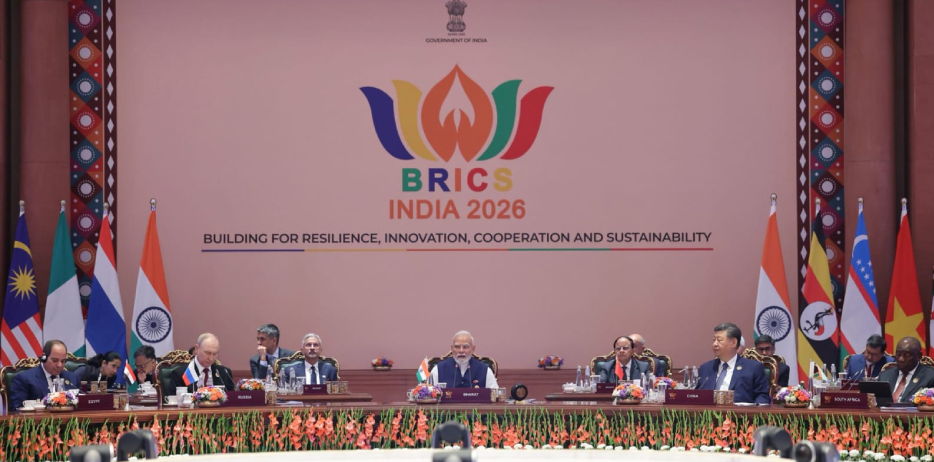
The diplomatic calculus shifted fundamentally when Iran was formally approved in 2021 as a full member of the Shanghai Cooperation Organisation (SCO), joining China, Russia and Central Asian nations. This was followed by Tehran’s inclusion in the Brics bloc.
These are not military pacts, but they create something perhaps more enduring: a framework for permanent consultation and strategic alignment.
Last year, Chinese, Russian and Iranian diplomats met in Beijing and agreed to “strengthen coordination” within international organisations such as Brics and the SCO. This institutional embrace means that any aggression against Iran is now implicitly an issue for the world’s most powerful counterweights to US hegemony.
¹Nelson Wong is president of the Shanghai Centre for RimPac Strategic and International Studies, a non-profit and non-governmental research institution based in Shanghai, China, and an active member of the Valdai Discussion Club, a Moscow-based think-tank. Wong runs a global business and investment consultancy, ACN Worldwide, and is an independent director and audit committee chairman for two public companies listed on Nasdaq.
²https://www.middleeasteye.net/opinion/will-china-come-irans-rescue