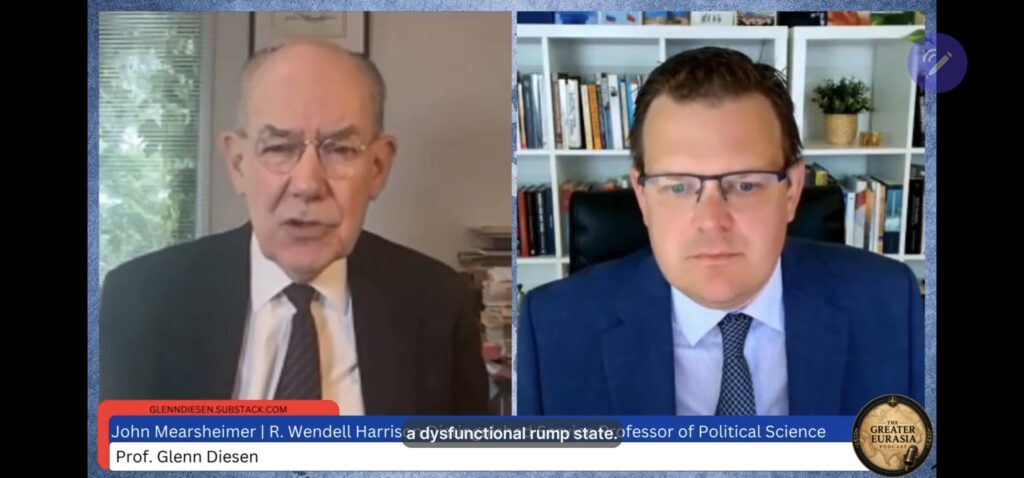
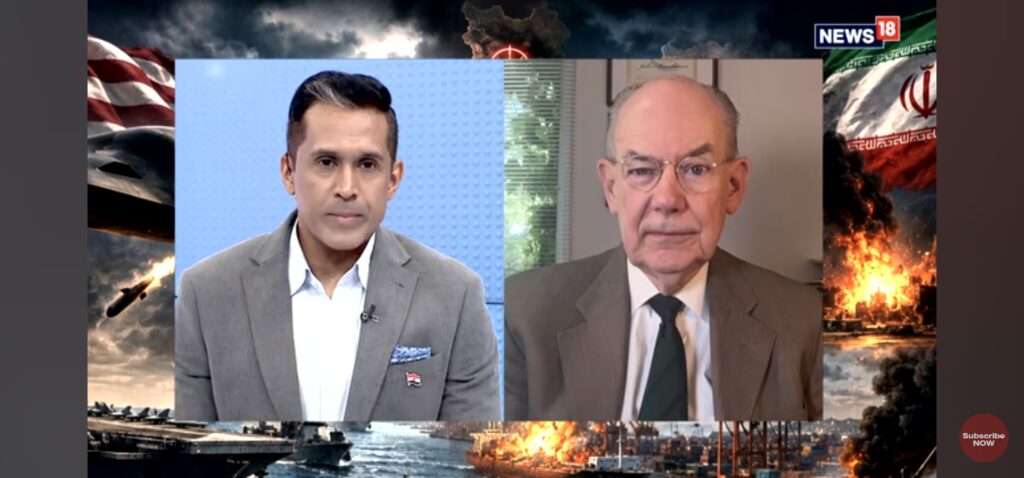
Bottom line:
The speaker argues the war is escalating, won’t be won through assassinations, and risks spiraling into a prolonged conflict with major global economic fallout
The U.S. and its allies have lost leverage because Iran can threaten to close the Strait of Hormuz, a critical chokepoint for global oil and fertilizer shipments.
Despite heavy strikes and assassinations of Iranian officials, the strategy is unlikely to work—Iran’s leadership can quickly replace losses, and its political system remains stable.
The conflict is expected to be long, not decisive, as even hawkish voices acknowledge there’s “a long way to go.”
Economic risks are severe: rising oil, gas, and fertilizer prices could drive inflation and significantly increase global food costs.
Escalation is intensifying, with attacks now targeting major energy infrastructure (like the South Pars gas field), and Iran threatening retaliation against Gulf countries’ oil facilities.
This tit-for-tat targeting of energy assets could send oil prices sharply higher (potentially $120–$150+), damaging the global economy.
Pressure will likely mount on the U.S. president to end the war, but failure to do so could trigger a broader economic crisis.
Some suggest Israel may be trying to provoke a wider regional war involving Gulf states, though those countries may already be indirectly involved.
Bottom line: The speaker argues the war is escalating, won’t be won through assassinations, and risks spiraling into a prolonged conflict with major global economic fallout.