What is frozen conflict?
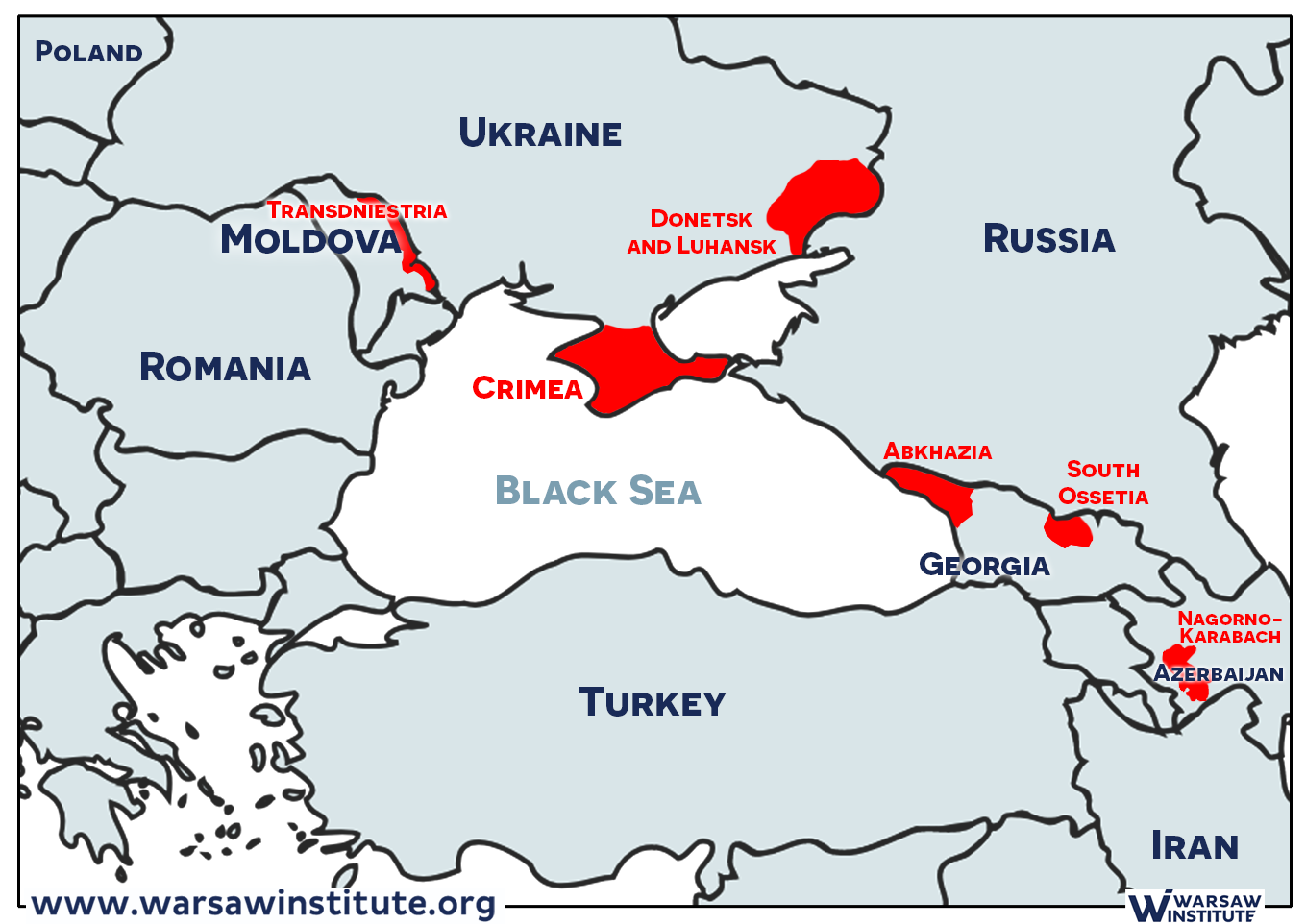
A frozen conflict is a situation where active warfare ceases, but no comprehensive peace agreement is reached, leaving underlying tensions unresolved. This often results in a prolonged period of instability and competition between the involved parties, as seen in the ongoing tensions between Russia and Ukraine. Both sides continue to undermine each other, and the potential for renewed conflict remains high.
A frozen conflict, as I have discussed in my work, is essentially a stalemate where the fighting stops but the core issues remain unresolved. This situation is characterized by a lack of a formal peace treaty, leading to ongoing tensions and the potential for future hostilities. In the case of Russia and Ukraine, the conflict is likely to remain frozen due to the inability of both sides to reach a meaningful peace agreement.
The West, alongside Ukraine, will likely continue efforts to undermine Russia’s position, particularly in the territories it has annexed. Conversely, Russia will strive to maintain its hold on these areas and may attempt to exploit divisions within Europe and NATO. This creates a persistent security competition, with both sides trying to weaken each other, and the risk of the conflict reigniting is ever-present.
Furthermore, the geopolitical landscape is complicated by the involvement of other great powers, such as the United States and China, which adds layers of complexity to the situation. The frozen conflict scenario is not just about territorial disputes but also involves broader strategic interests and alliances, making it a significant factor in international relations
In a frozen conflict, the cessation of active combat does not equate to peace, as the underlying issues remain unresolved, leading to a precarious stability. This scenario often results in a tense and competitive environment where both sides engage in strategic maneuvers to gain advantages without direct military engagement. For instance, in the context of Russia and Ukraine, both parties are likely to engage in political, economic, and informational warfare to undermine each other’s positions.
The West, particularly the United States and its NATO allies, may continue to support Ukraine through various means, including military aid and diplomatic backing, to counter Russian influence. Meanwhile, Russia might exploit divisions within the European Union and NATO to weaken the Western alliance and bolster its strategic position.
This situation is further complicated by the involvement of other global powers like China, which has formed a strategic partnership with Russia. This alliance shifts the global balance of power and complicates efforts to resolve the conflict, as any resolution must consider the broader geopolitical implications. The frozen conflict thus becomes a focal point for international power dynamics, influencing global security and stability.