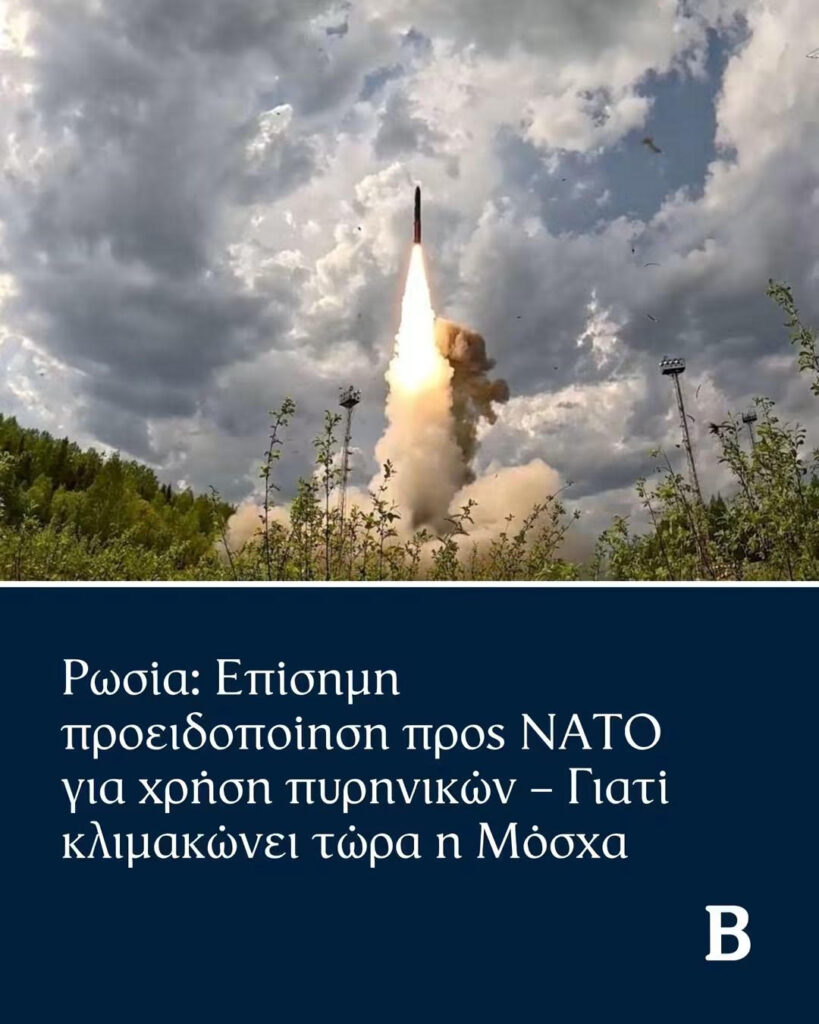
With the expiration of the 2010 New START on 5 February 2026, Russia and the United States are now free to build up their strategic nuclear arsenals. Whether either actor does, however, will be determined by the geopolitical landscape, national budget constraints and other priorities.
The New Strategic Arms Reduction Treaty, New START, the last legally binding bilateral treaty limiting the United States’ and Russia’s strategic nuclear forces, expired on 5 February 2026. Under its central limits, each side was restricted to 1,550 deployed strategic warheads and 700 deployed delivery systems.
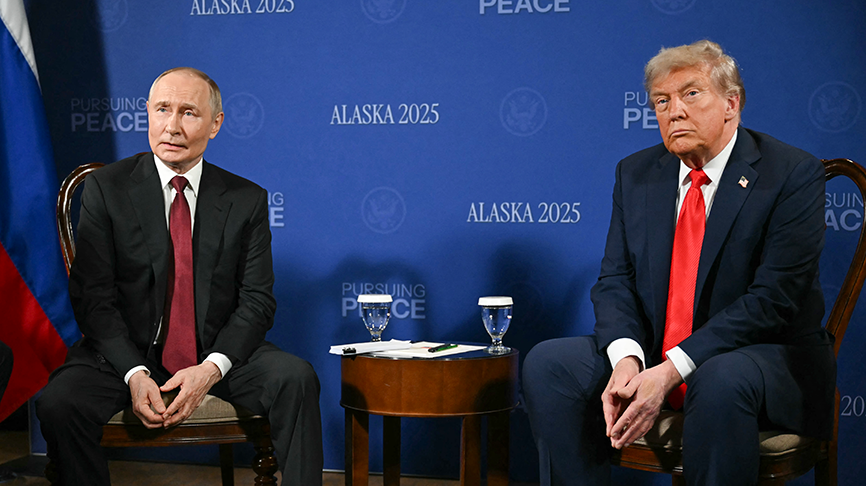
Despite both countries’ leaders expressing interest in maintaining New START’s ceilings as recently as late 2025, no new agreement was reached. As a result, the bilateral strategic nuclear balance is now unregulated for the first time since 1972, leaving both sides without a formal mechanism to discuss a range of issues on their respective agendas. While each is modernising its strategic forces, cost constraints and numerical parity between the two suggest a major build-up in warhead numbers is unlikely in the short term.
Moscow has consistently opposed US missile-defence initiatives, arguing that they undermine Russia’s deterrent capabilities and disrupt the strategic balance. Russia’s pursuit of exotic nuclear platforms, such as the Poseidon intercontinental-range nuclear-powered uninhabited underwater vehicle and the Kinzhal (RS-AS-24 Killjoy) air-launched ballistic missile, is explicitly designed to defeat US missile-defence efforts, while Putin’s September 2025 UN letter instructed Russian agencies to monitor US strategic missile defence.
Following the final expiration of New START and the 2019 end of the 1987 Intermediate-Range Nuclear Forces Treaty, all classes of nuclear weapons are free from bilateral limits. Neither the US nor Russia currently appear poised to make the massive investments needed to significantly increase their nuclear arsenals. However, the introduction of missile defence as a signature Trump policy further entrenches an already complex deterrence relationship, prompts countermeasures from adversaries, encourages the further diversification of strategic technologies, and complicates future accounting. The loss of treaty mechanisms means both sides have lost a crucial channel to manage this complex strategic relationship and its fast-moving political and technological developments.¹