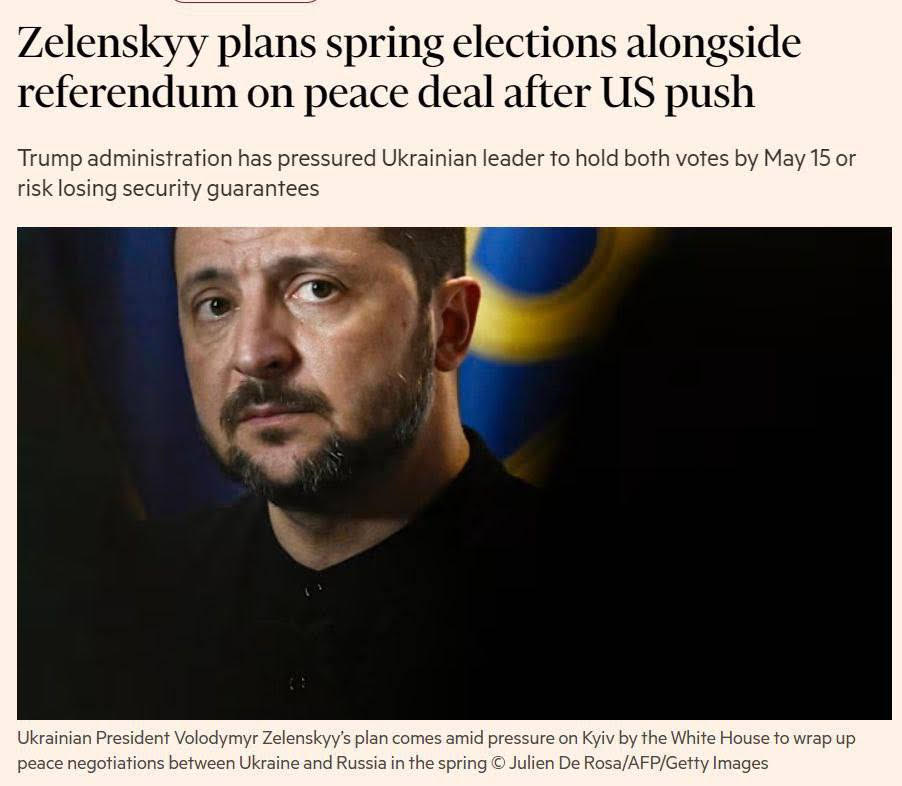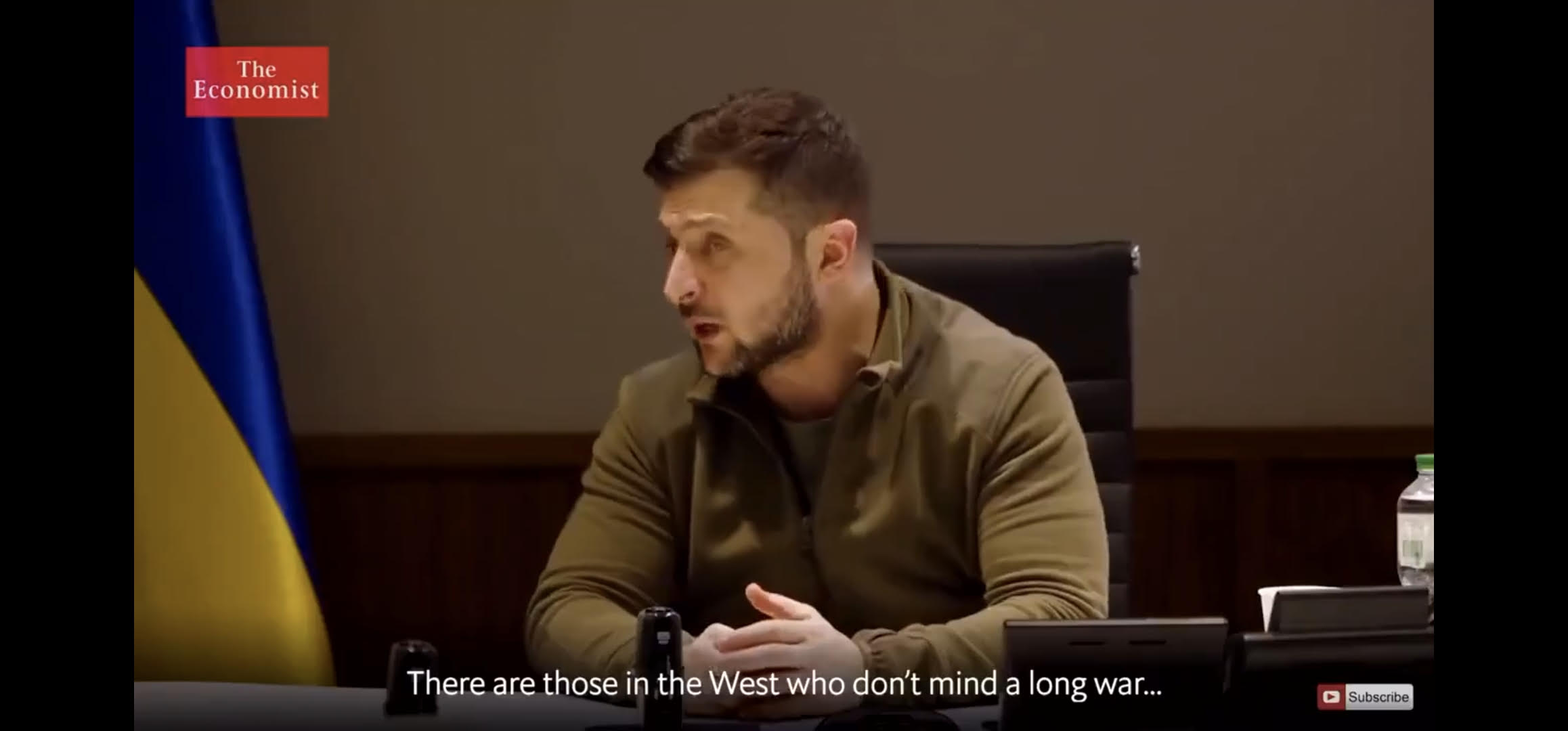
Zelensky’s interview with the Economist in March 2022, before the US and UK sabotaged the Istanbul peace talks²:
– “There are those in the West who don’t mind a long war because it would mean exhausting Russia, even if this means the demise of Ukraine and comes at the cost of Ukrainian lives”¹ https://x.com/i/status/2020087211832598918
² The Istanbul Peace Talks (primarily those held in March 2022) represent the closest the Russian Federation and Ukraine have come to a negotiated settlement since the full-scale invasion began. While the talks ultimately collapsed, they established a framework often referred to as the “Istanbul Communiqué.”
As of early 2026, the legacy of these talks has resurfaced in new diplomatic efforts (often dubbed “Istanbul 2.0”), though the geopolitical landscape has shifted significantly.
1. The 2022 Framework (The “Istanbul Communiqué”)
In late March 2022, negotiators met in Turkey and produced a draft treaty focused on the following pillars:
Permanent Neutrality: Ukraine would become a “permanently neutral” state, enshrining this in its constitution. This meant no NATO membership, no foreign military bases, and no foreign troops on Ukrainian soil.
Security Guarantees: In exchange for neutrality, Ukraine would receive “Article 5-style” security guarantees from a group of nations (including the US, UK, France, China, Turkey, and Russia). If Ukraine were attacked, these guarantors would be legally obligated to provide military assistance.
EU Membership: Crucially, Russia initially signaled it would not object to Ukraine joining the European Union.
Territorial “Status Quo”: The status of Crimea was to be settled through a 15-year period of bilateral negotiations, while the status of the Donbas regions would be decided in a direct meeting between Presidents Zelenskyy and Putin.
Military Constraints: Limits were proposed on the size of the Ukrainian Armed Forces (AFU), though the specific numbers (e.g., whether the army would be capped at 85,000 or 250,000 troops) remained a major point of contention.
2. Why the 2022 Talks Collapsed
Several factors led to the breakdown of the March/April 2022 negotiations:
The Bucha Revelations: The discovery of mass atrocities in Bucha after the Russian withdrawal from northern Ukraine hardened Ukrainian public opinion and political resolve against concessions.
The “Veto” Clause: Russia demanded a “veto” over the security guarantees, insisting that any military response to a future attack must be agreed upon by all guarantors (including Russia), which Ukraine viewed as a trap.
Western Skepticism: Some Western allies expressed concern that the deal would leave Ukraine defenseless.
Military Shift: Ukraine’s success in pushing Russian forces away from Kyiv led to a belief that a better deal could be won on the battlefield.
3. Current Status (Early 2026)
Following a period of relative diplomatic silence, recent reports (February 2026) indicate a return to the “Istanbul Format” under new mediation:
Trilateral Engagement: New rounds of talks involving the US, Ukraine, and Russia have occurred in Istanbul and Abu Dhabi.
The “Energy Truce”: Recent discussions have focused on localized “truce” agreements regarding energy infrastructure and prisoner exchanges (such as the 1,200-for-1,200 swap discussed in late 2025).
New Obstacles: While 2022 was about neutrality, 2026 negotiations are heavily bogged down by Russia’s demand that Ukraine recognize the annexation of four additional regions (Donetsk, Luhansk, Kherson, and Zaporizhzhia).
Key References
Minsk Dialogue (Jan 2026): Peace Initiatives for Ending the War in Ukraine – Provides a technical breakdown of the 18 articles in the original draft.
Kyiv Post (May 2025/Jan 2026): Return to Peace Talks in Turkey: What’s Changed? – Analyzes the shift from military limits to territorial disputes.
Qqt
Institute for the Study of War (ISW): Fact Sheet: Istanbul Protocol Draft Document – Detailed analysis of the Russian demands regarding “denazification” and demilitarization.
Responsible Statecraft (2026): Istanbul 2.0 – Discusses the role of the new US administration in reviving the Istanbul framework.